The Art and Soul Behind
Every GulSaaz Saree
A handwoven saree doesn't just drape it resonates. Born from centuries of mastery and unhurried craft, every thread carries the heartbeat of India's finest artisans. This isn't fashion; it's living history crafted for your silhouette.
Where Every Saree First Begins
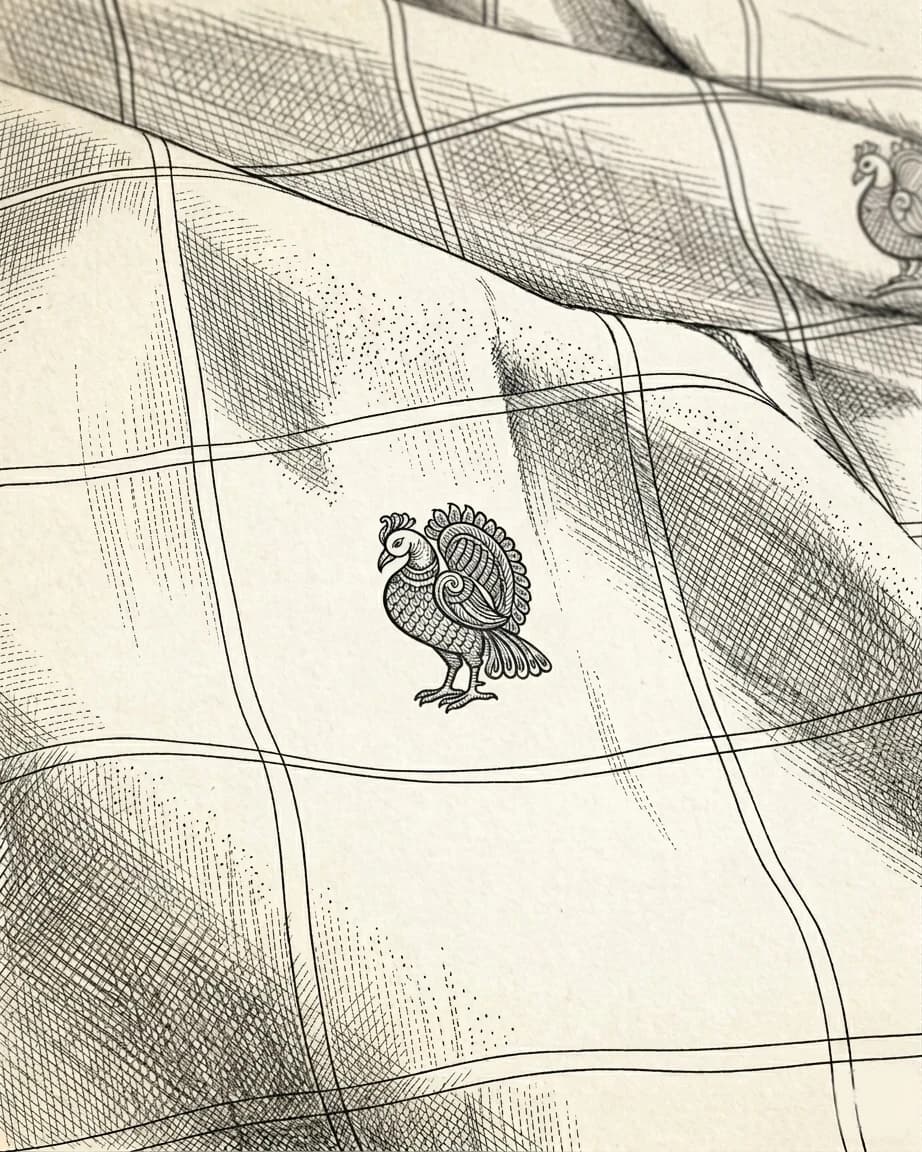
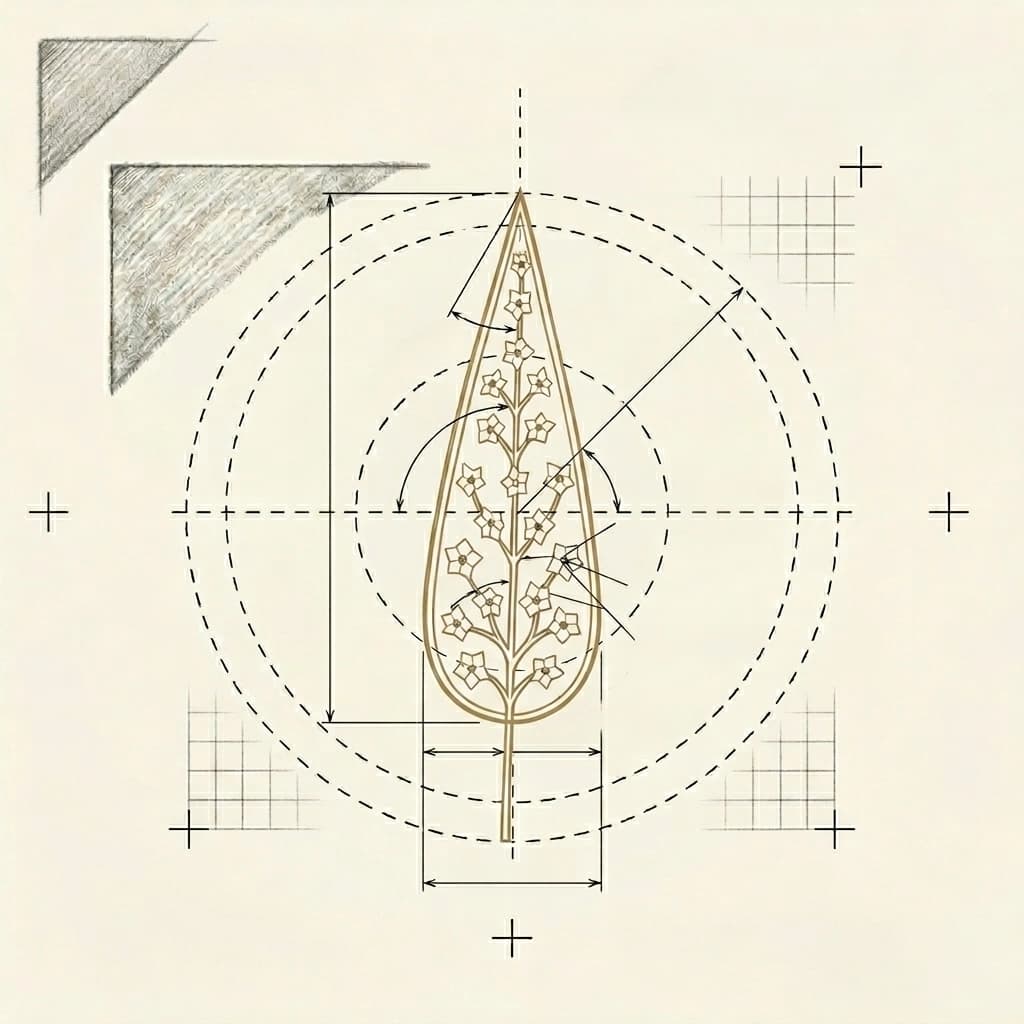
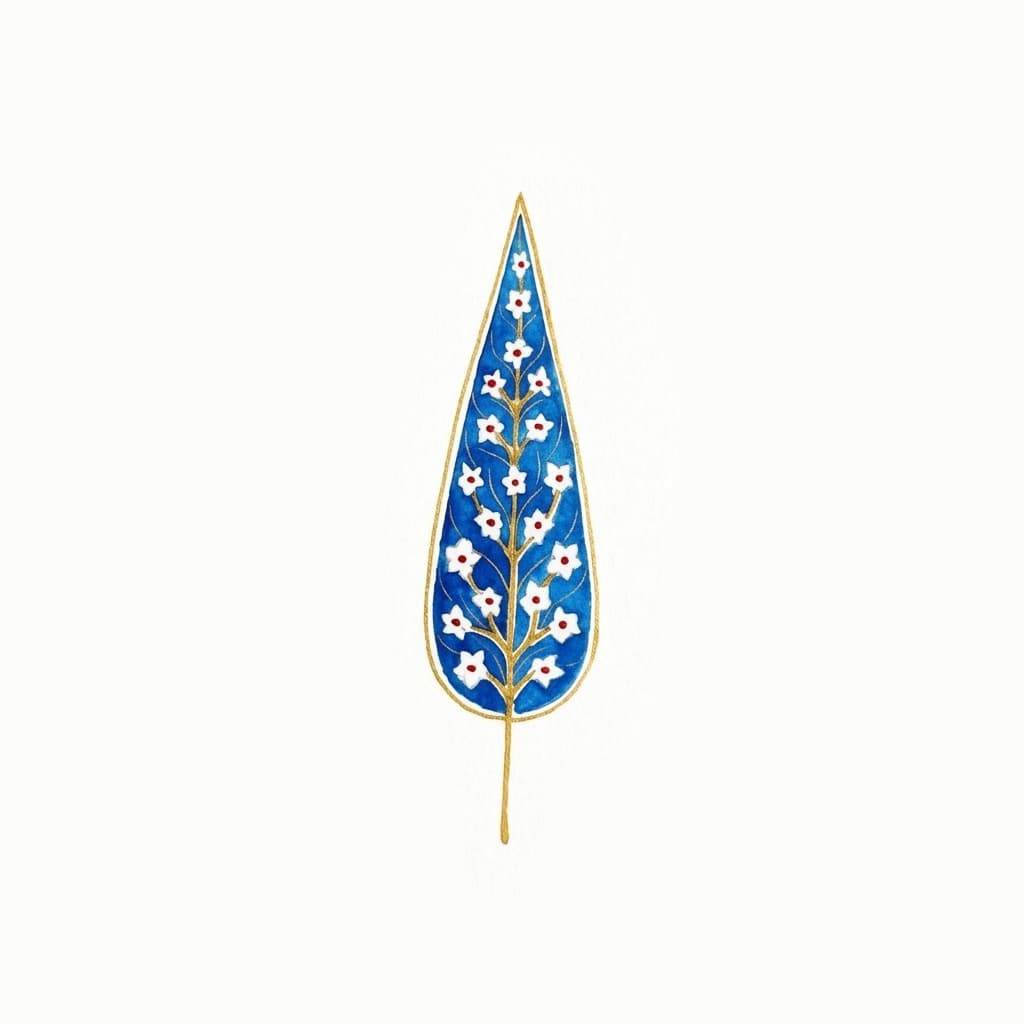
Every GulSaaz saree begins with a hand-drawn endering anchored in classic motif traditions such as temple gopurams and Persian jaals.
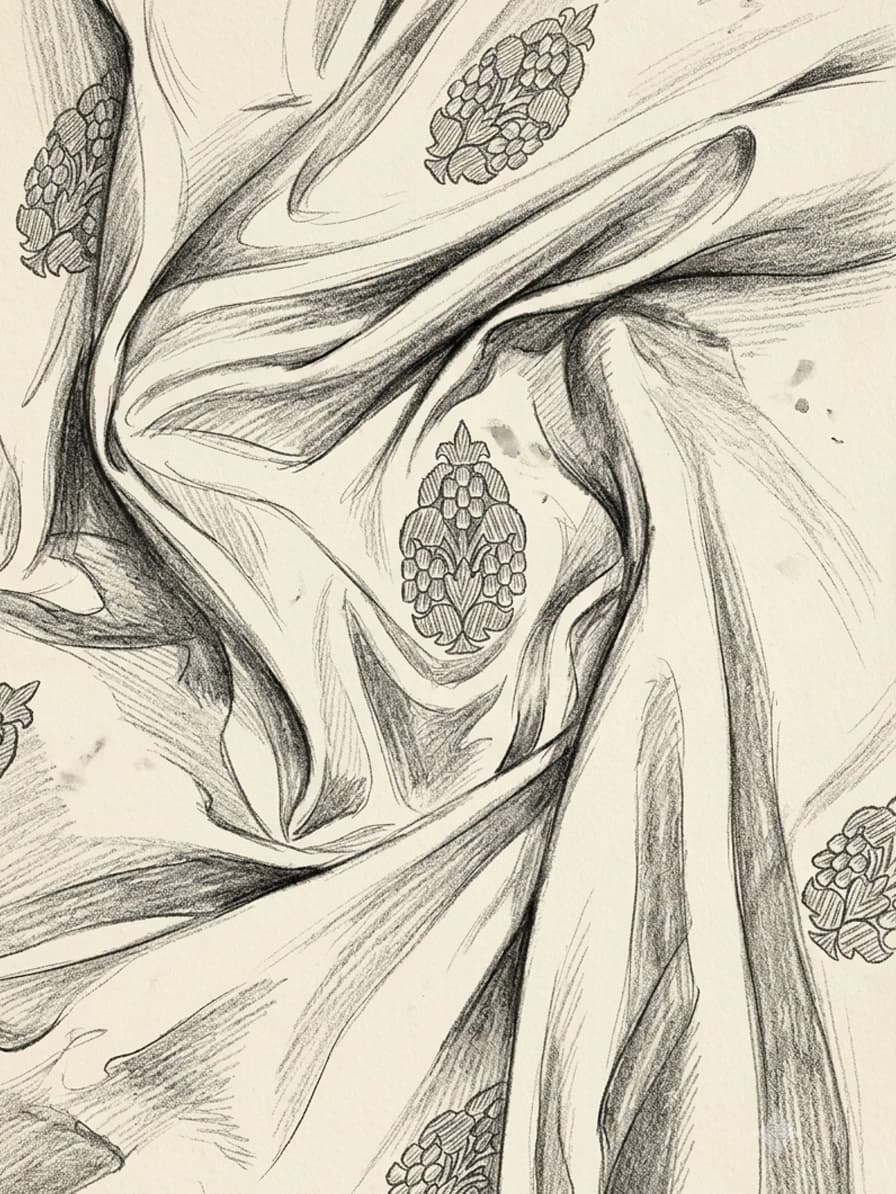
Once the pattern finishes, it passes through Likhai, a painstaking procedure in which a master grapher (Nakshaband) meticulously maps each detail onto exact graph paper, inch by inch. This graph serves as a blueprint that is subsequently hand-punched into Naksha Pattas, which are cardboard stencils. These cards, which are connected in a continuous chain, tell the loom which yarns to raise for each design.
Foundation of Grace
Grace is developed in the yarn itself long before the shuttle glides. Only pure, unblended fibers that adherence to traditional weaving requirements are sourced by us:
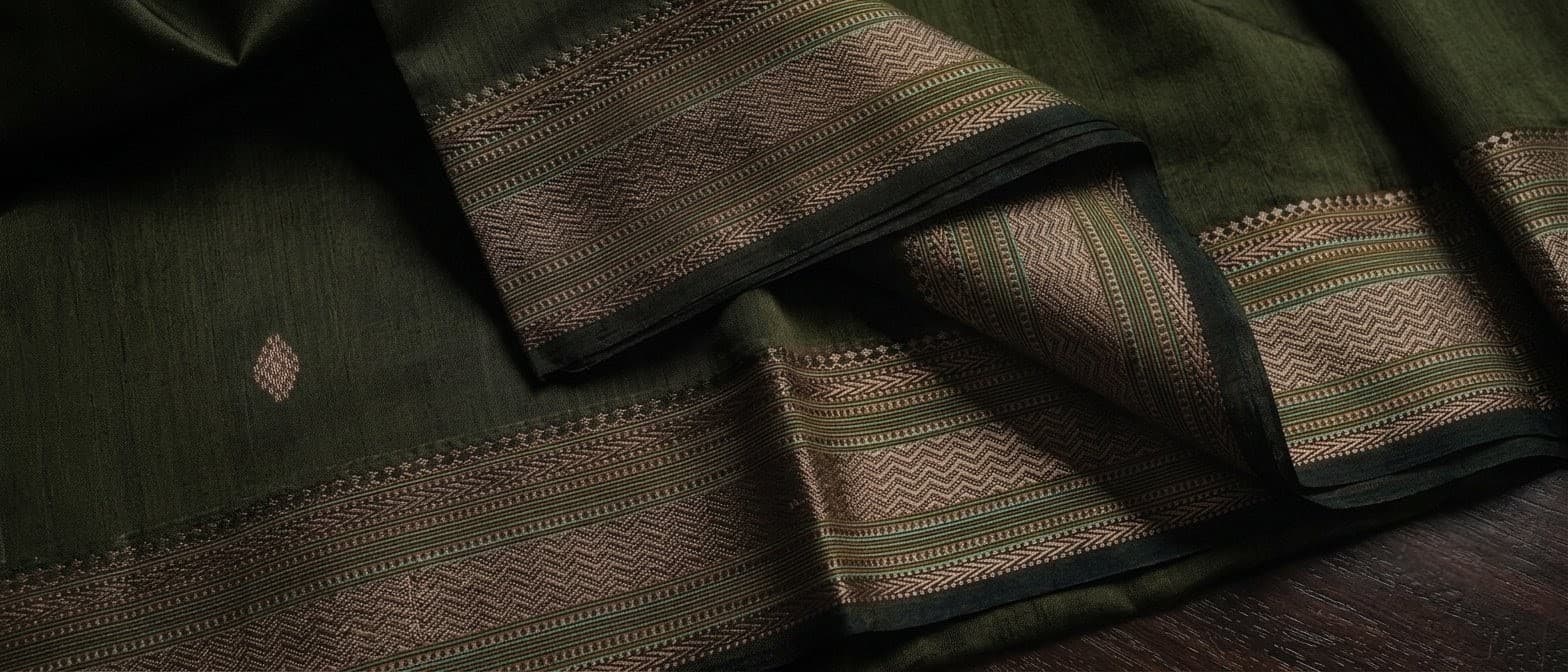
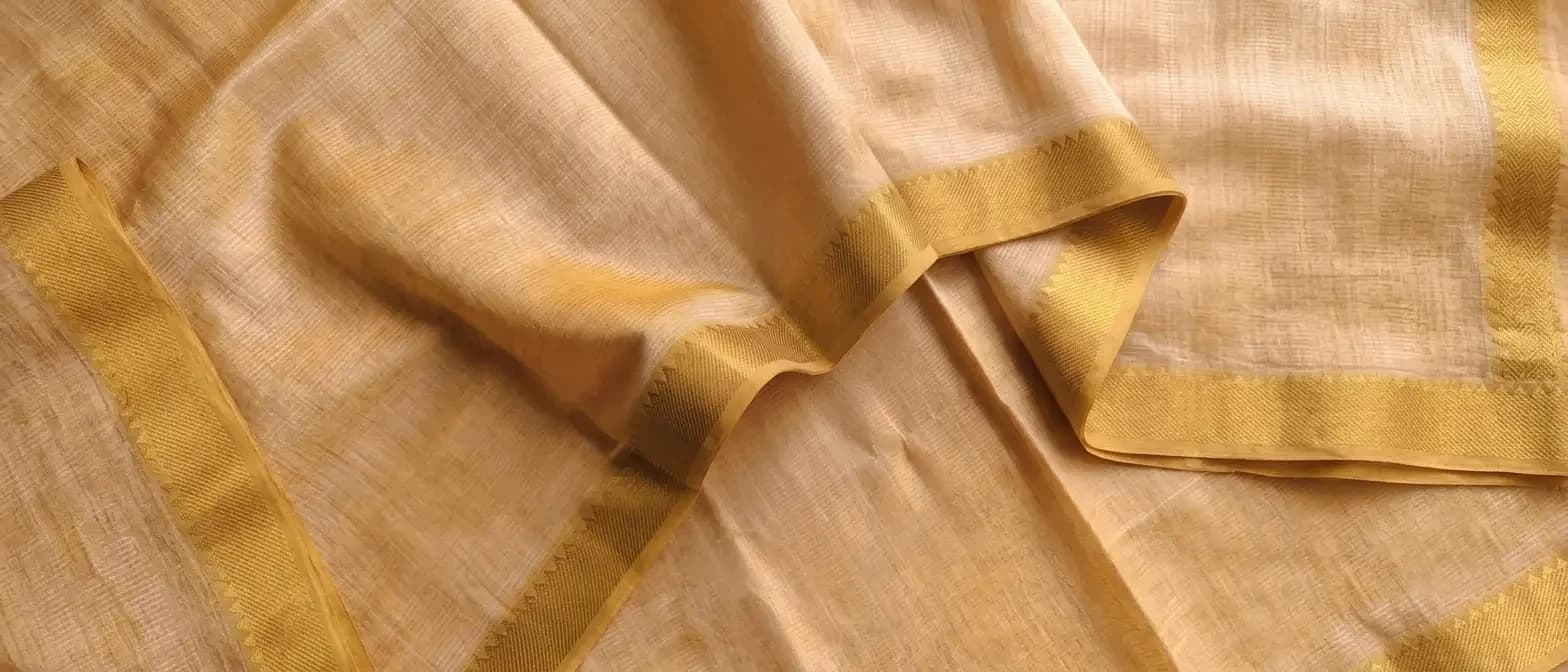
Mulberry Katan: The continuous silk threads that give our Banarasi and Kanjeevaram weaves their recognizable, radiant bodies are spun from individual cocoons. Raw Tussar: The distinctive mark of genuine Bhagalpuri craft, it is distinguished by its rustic, rich texture and natural golden undertones. Cotton-Silk: A well-balanced combination of shine and breathability that produces a weightless, flowing drape appropriate for any season.
Colour Chosen with Intention
Pigment in artisanal silk is an art of patience. We honor age-old dyeing traditions where shades are mixed by eye and bonded at a molecular level
Natural indigo leaves are the source of royal indigo, which has a deep, regal peacock blue color. Warm Madder: Wild madder roots are used to extract rich terracottas and corals. Auspicious Ochres: Sun-warmed golds and saffrons infused with turmeric and pomegranate rind.
These natural tones reach the yarn's core rather than resting on the surface like synthetic colors, ensuring that each GulSaaz saree will maintain its radiant depth for many generations.
The Loom's Rhythm
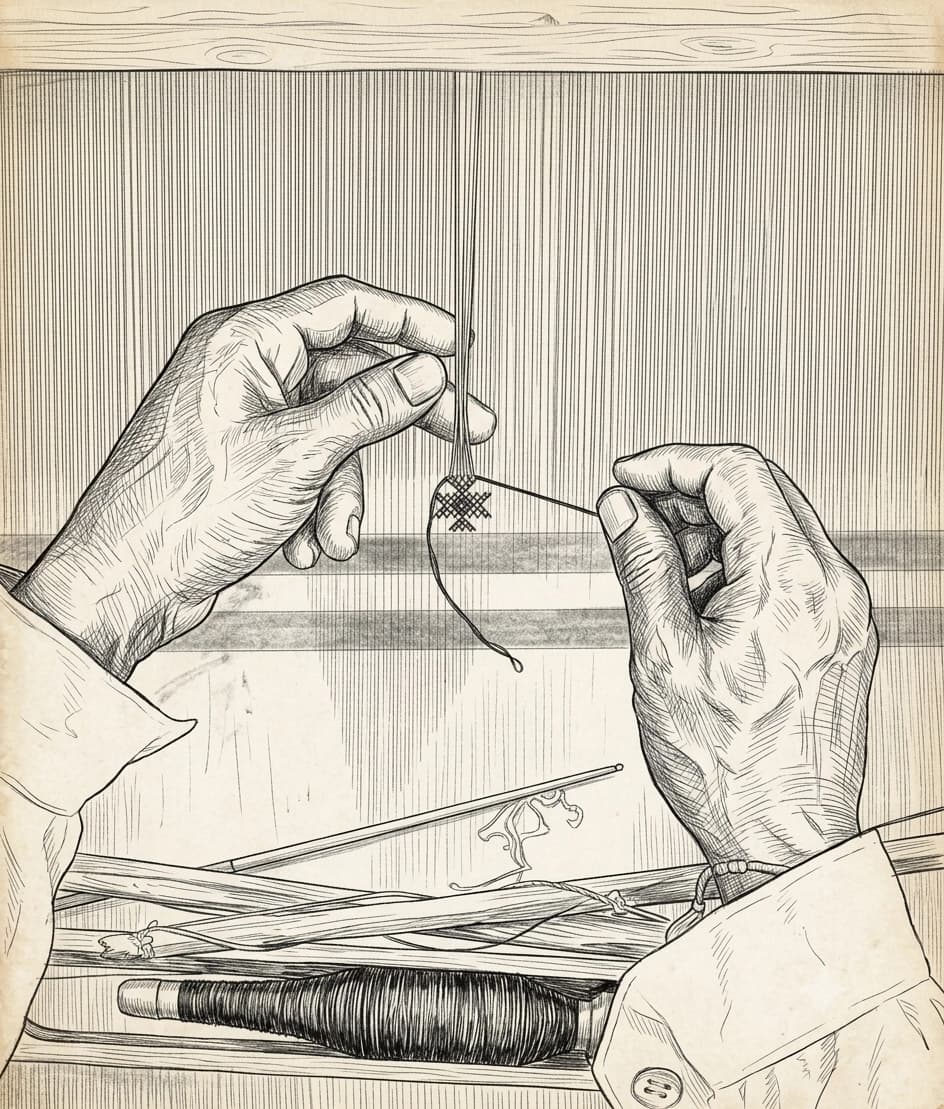
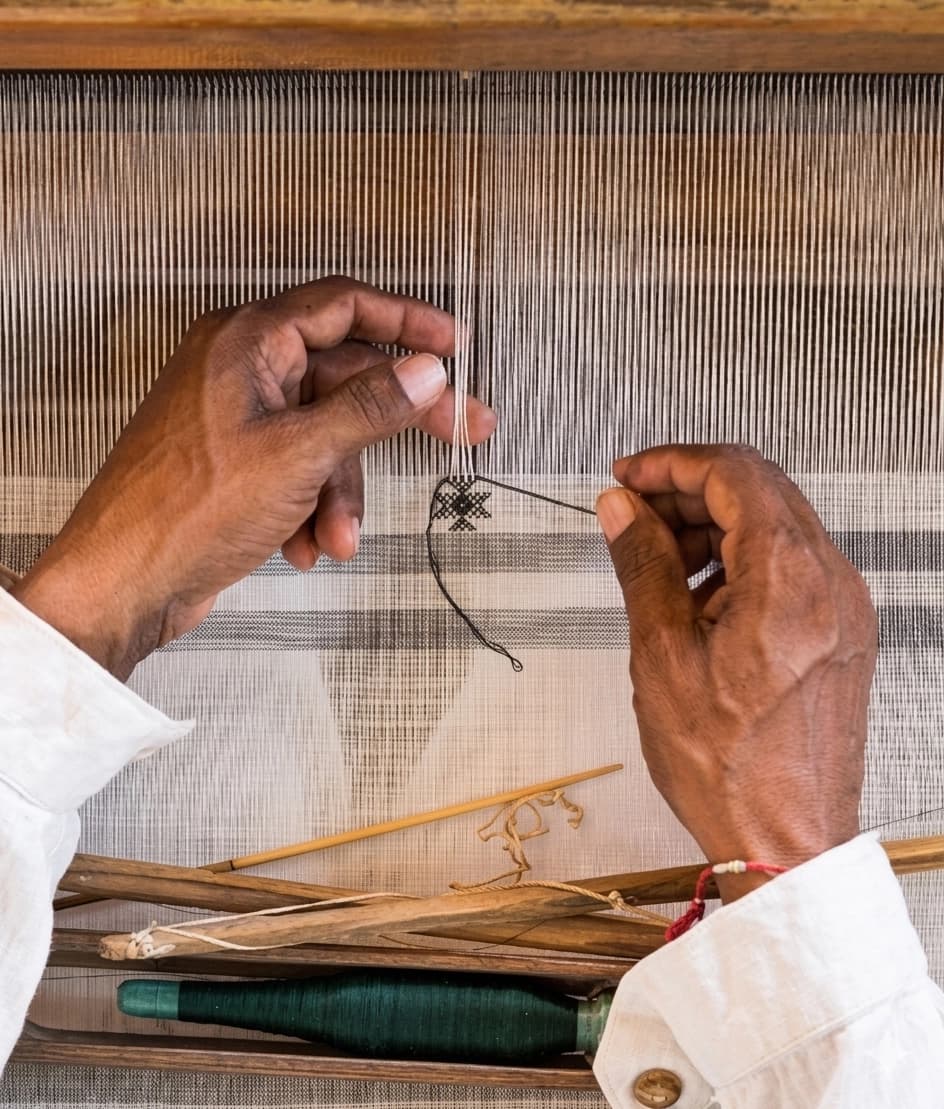
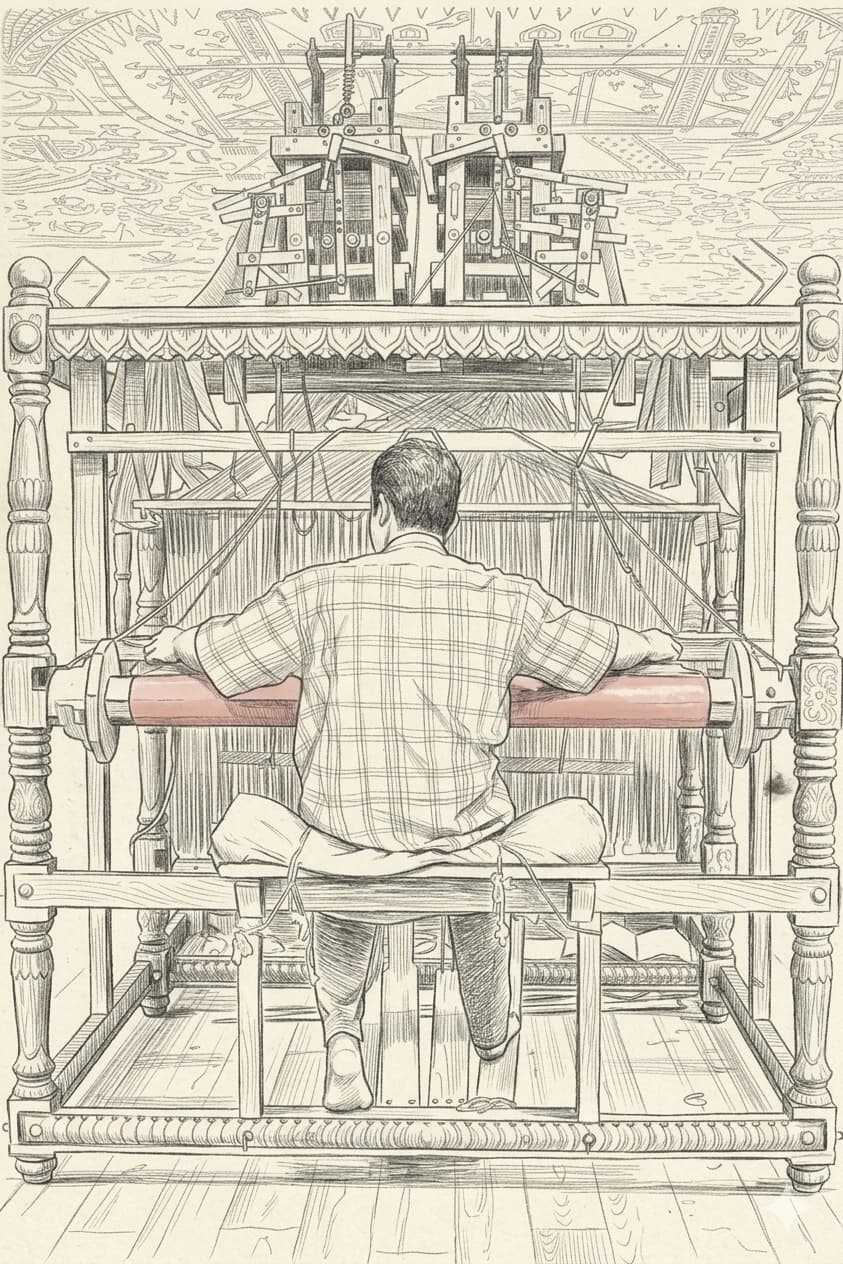
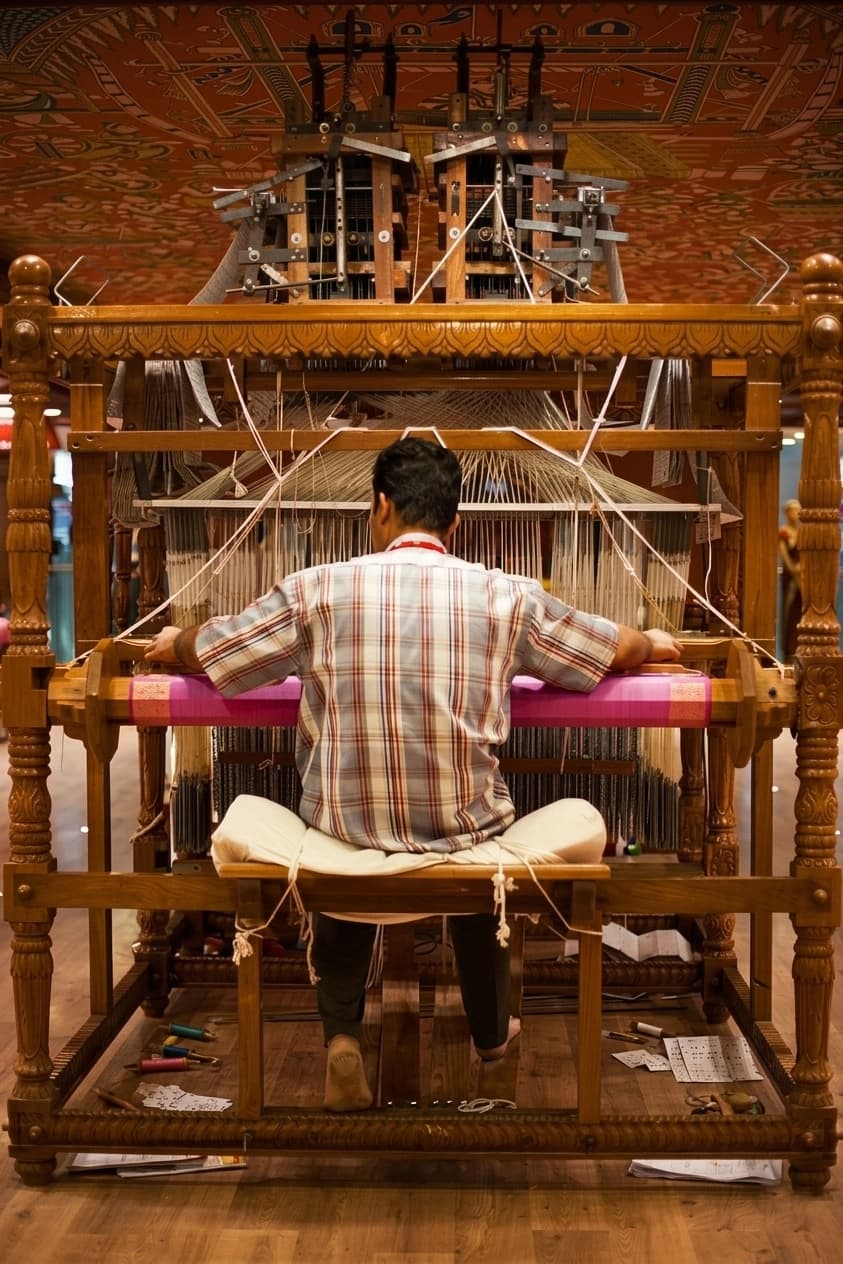
The pit-loom is a sanctuary of peaceful focused attention. The weaver guides the shuttle, the beater, and up to sixty separate weft bobbins above while operating foot treadles below while seated with their legs sunk into the ground.
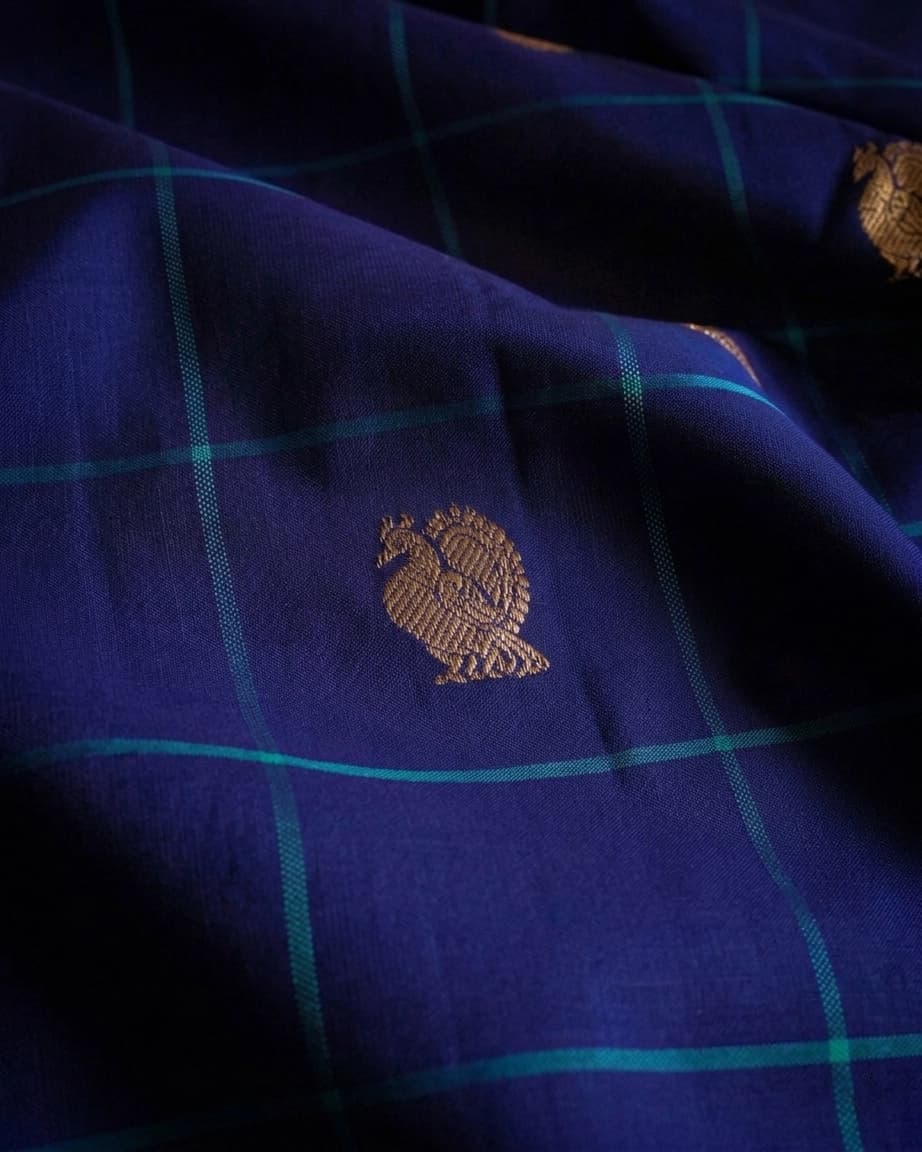
The Kadhua Technique: Each motif on our best brocades needs its own special spool of thread, which is picked up, woven, and placed down by hand at each pass.
Human Precision: Handloom weaving creates the fabric's spirit from thread to thread, whereas machine weaving only prints an image onto fabric.
Where Quiet Luxury Lives
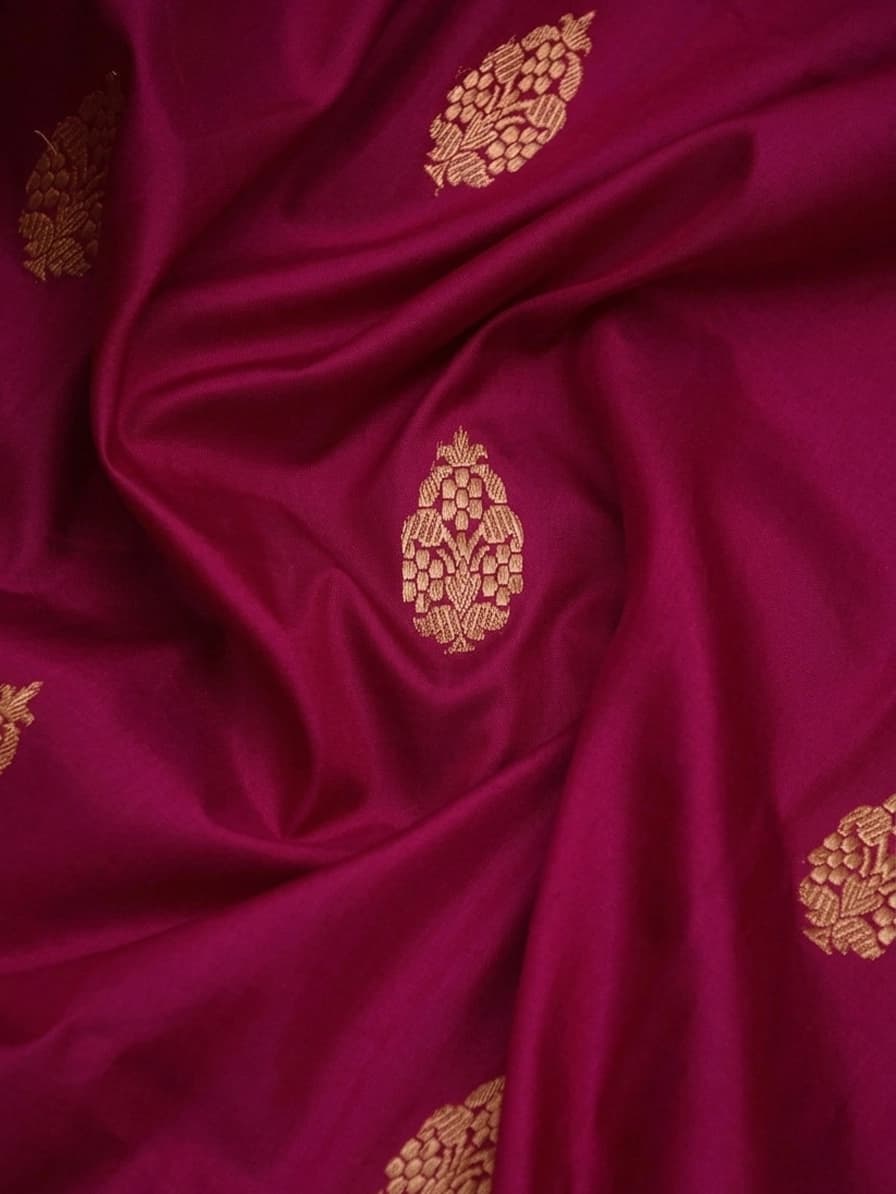
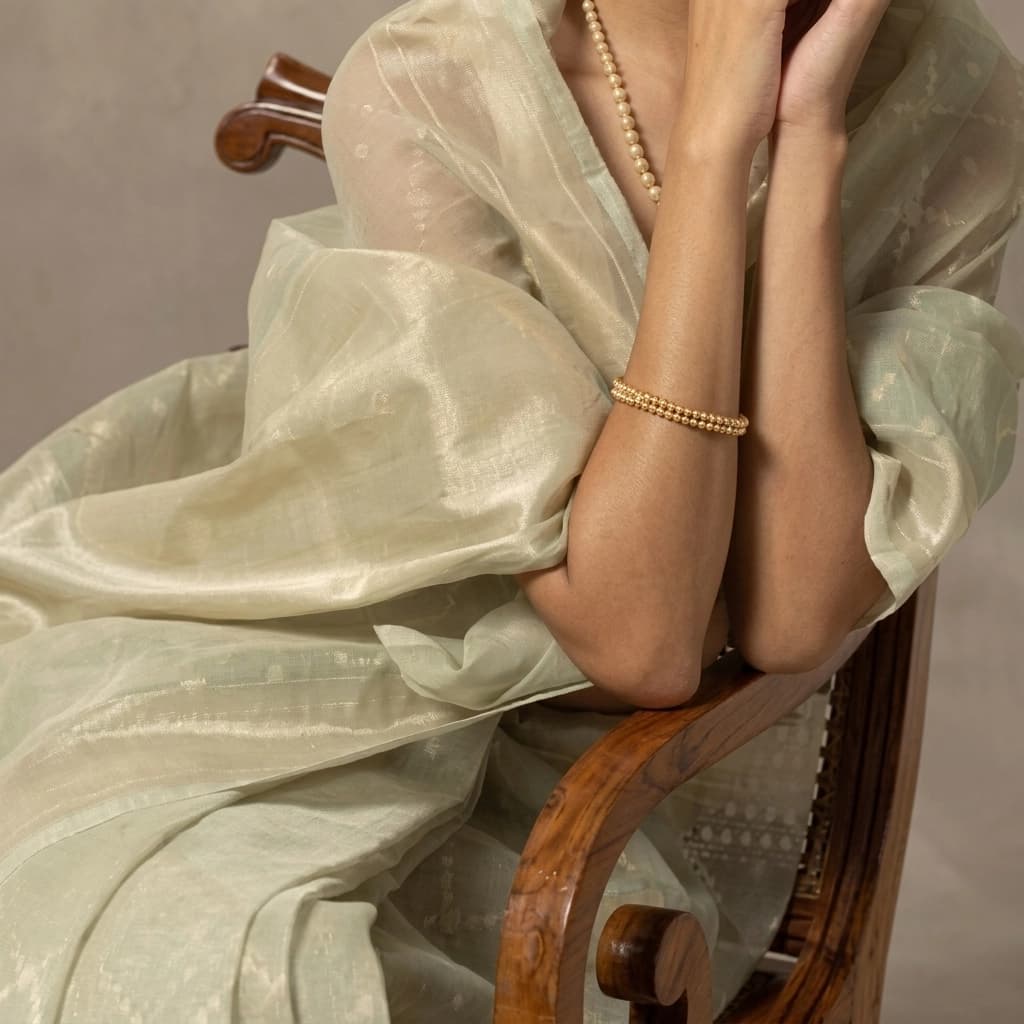
True luxury rests in subtle details machine manufacturing can never replicate. It begins with real Roopa-Sona zari pure silver and gold woven directly into the fabric rather than embroidered on top. Through the labor-intensive Kadhua technique, each motif is crafted individually, creating a raised design with a clean, smooth finish on the reverse. Delicate Meenakari silk inlays add jewel-toned accents, while South Indian Korvai borders are hand-joined using three-shuttle interlocking. These are not mere decorative choices, but an unwritten craft vocabulary passed down through generations of master weavers.
Why a Handwoven Saree Does Not Age
A handwoven saree engages in a silent conversation with the passing of industrial fashion. The soft rhythm of the pit-loom respects the fiber's natural flexibility, while automated looms subject delicate silk to relentless mechanical force, shattering the thread's inherent life. Pure mulberry silk gives with each wear rather than deteriorating. Over decades, it develops a candlelit patina that becomes richer as it softens into a fluid, liquid drape. The design never fades because authentic Roopa-Sona zari and Kadhua motifs are deeply embedded in the fabric's structural core rather than printed on its surface. An enduring family treasure, a GulSaaz saree grows beautifully and carries the memory of the hands who fashioned it, resisting the fleeting cycles of fashion.
A Tribute to Those Who Have Never Stopped
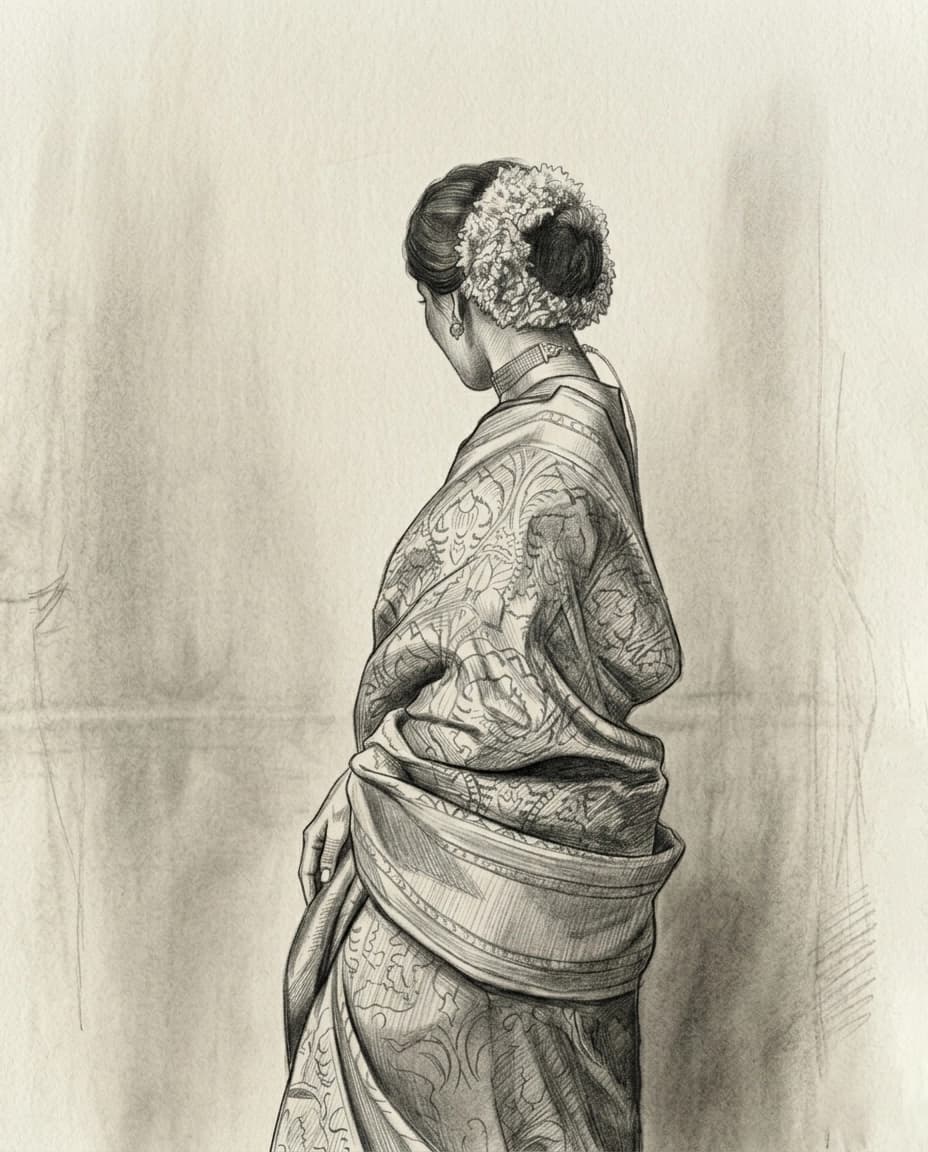
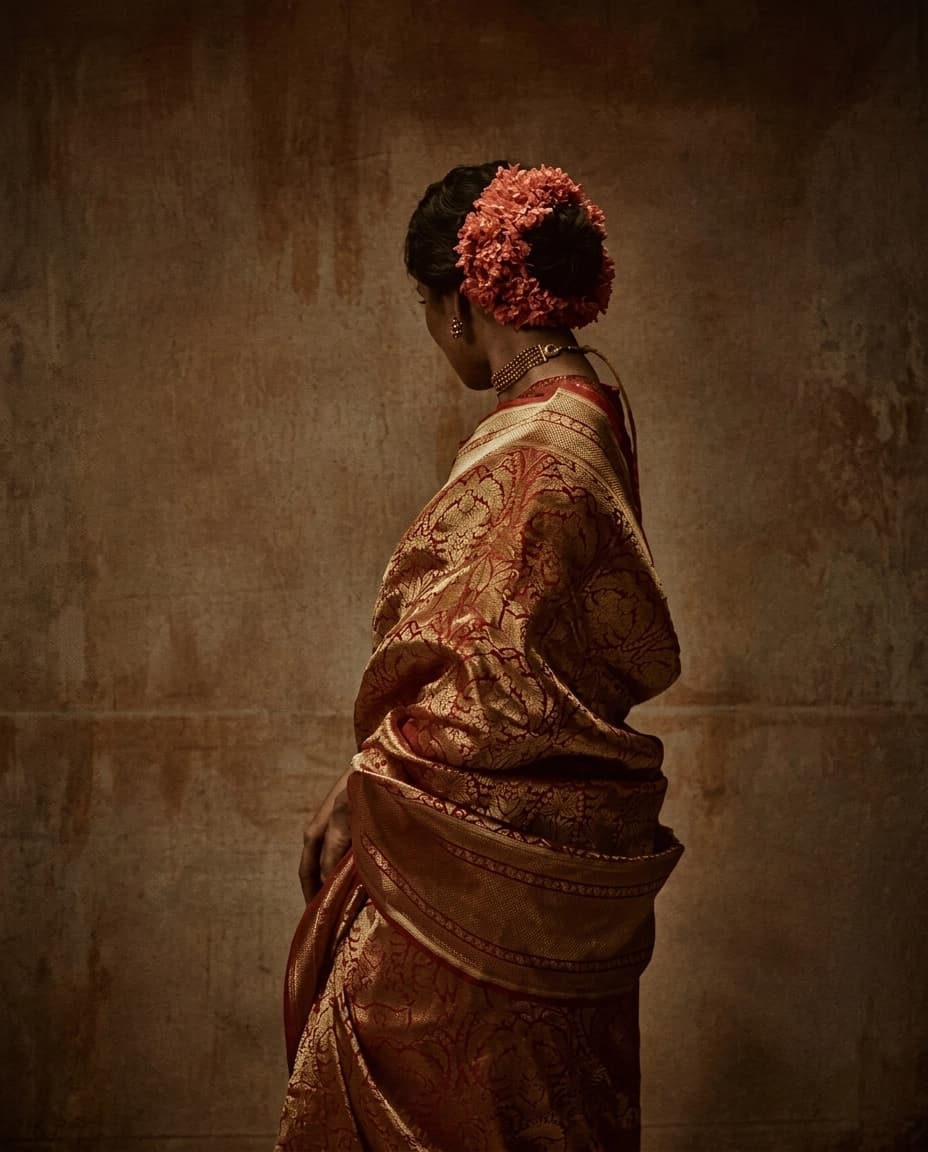
True heritage endures in the hands of people who don't want it to disappear, not in museum vitrines. Generations of artisanal weavers have been the silent curators of a civilization's visual memory throughout the weaving lanes of Banaras, Kanchipuram, and Chanderi. Their devotion to the handloom has not wavered despite centuries of changing trends and mechanical pressure. Their expertise is the pinnacle of luxury: human talent transformed into exquisite art. Embracing a GulSaaz saree is a live tribute to the artists who never ever stopped producing beauty for the world, and it is a witness to a deep heritage of human perseverance.